- +966 11 22 11 445
- enquiries@pangeamobility.com
- RIYADH | JEDDAH | DUBAI | EASTERN REGION

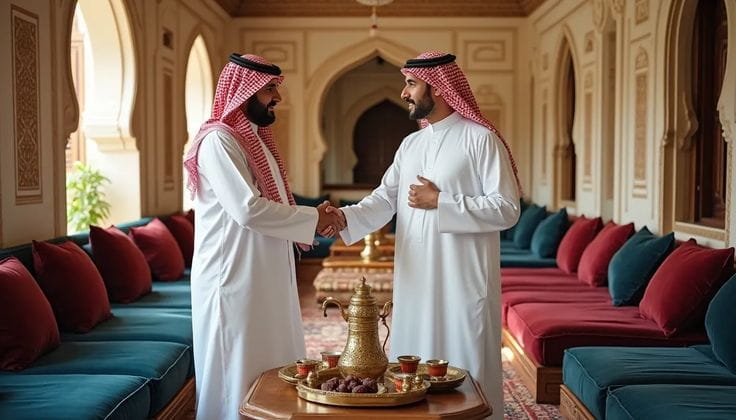
Relocating to Saudi Arabia is often planned around visas, housing, and onboarding. Yet for most professionals, the real make-or-break factor is simpler: how quickly you adapt to Saudi workplace culture and social expectations.
In 2026, Saudi Arabia is one of the GCC’s most active employment markets—GASTAT-reported employment levels were ~18.2 million in Q2 2025, with expatriates forming a major share of the workforce in that period. As a result, international teams are now common in many sectors—but cultural integration remains essential for trust, influence, and smooth delivery.
This guide is written for professionals searching for “cultural integration in Saudi Arabia for expats,” “Saudi business etiquette for foreigners,” and “how to adapt to workplace culture in KSA.”
Why cultural integration matters for professional success in Saudi Arabia
Saudi Arabia is modernising quickly, and business environments in Riyadh, Jeddah, and the Eastern Province can feel highly international. At the same time, decision-making and relationship-building are still shaped by local norms.
When cultural expectations are missed, it can lead to:
slower stakeholder trust
misunderstandings in meetings and approvals
avoidable friction within teams
delays that feel “administrative” but are actually cultural
In contrast, professionals who understand the culture early often find collaboration becomes faster, clearer, and more enjoyable.
Understanding the rhythm of work in KSA
Saudi Arabia’s workweek typically runs Sunday to Thursday, with Friday and Saturday as the weekend. This impacts meeting scheduling, response times, and cross-border coordination—especially for teams working with Europe or North America.
Public holidays and religious seasons also shape business cadence. Planning around them is not just courteous—it’s operationally smart.
Saudi workplace culture: what professionals notice first
Hierarchy and decision pathways
Many Saudi organisations operate with clear hierarchy. Decisions may require alignment across senior stakeholders, and approvals can be relationship-led rather than purely process-led. Patience and professionalism matter—especially when discussions shift between technical details and broader context.
Communication style
Saudi business communication is typically respectful, formal at first, and relationship-aware. You’ll often see:
professional titles used more consistently
a preference for tact over direct confrontation
a stronger focus on trust-building before challenging ideas
This does not mean people avoid clarity—it means clarity is delivered with diplomacy.
Meetings and hospitality
Meetings may begin with a few minutes of greeting and connection before moving into business. Coffee and hospitality are common and worth accepting where appropriate. It signals respect and rapport-building.
Saudi business etiquette for expats and international teams
If you’re searching for “how to greet in Saudi business meetings” or “Saudi meeting etiquette for foreigners,” these points help immediately:
Greetings are usually formal. Handshakes are common in business settings, with sensitivity around cross-gender handshakes (often the best approach is to follow the other person’s lead).
First meetings often prioritise relationship comfort before detailed negotiation.
Punctuality is respected, but schedules can shift—stay calm and flexible.
Dress code and public expectations
Saudi Arabia has become more flexible, but modesty and professionalism remain the safest standard—especially in offices, government-related environments, and formal meetings.
Saudi tourism authorities reference a Public Decency Law that outlines expectations for appropriate public attire. For professionals, the corporate rule is straightforward: dress conservatively, choose polished business wear, and adapt based on your industry and client setting.
Ramadan and business culture in Saudi Arabia
Ramadan changes the rhythm of business. Official guidance under Saudi Labour Law (Article 98) notes that working hours for Muslim employees are reduced to a maximum of 6 hours per day (36 hours per week) during Ramadan.
In practice, you should expect:
shorter working windows
later meeting start times in some organisations
more importance placed on respectful scheduling
social etiquette changes (e.g., discretion around eating/drinking in public during fasting hours)
Understanding this is a strong signal of cultural intelligence—and it builds trust quickly.
Social integration: what helps professionals settle faster
For many relocating professionals, integration improves dramatically when they focus on three things early:
Language basics (even a few Arabic greetings)
Local routines (weekend timing, prayer breaks, holiday planning)
Relationship-building (networking, stakeholder warmth, consistency)
Saudi Arabia’s workforce is also changing fast. For example, Saudi women’s labour force participation reached 36.2% in Q3 2024 (GASTAT). This is reflected in many modern workplaces—particularly in large corporates and growth sectors—where diverse teams and mixed professional settings are increasingly common.
A practical 30–60–90 day cultural integration plan
First 30 days
Focus on observing and aligning:
how decisions are made
how stakeholders communicate
what “good responsiveness” looks like locally
how meetings open, flow, and close
Days 31–60
Build influence:
strengthen internal relationships
confirm expectations for updates and approvals
adapt your communication style for clarity + diplomacy
Days 61–90
Operate confidently:
lead meetings with cultural fluency
anticipate seasonal schedule changes
improve cross-border coordination using the local work rhythm
How Pangea Mobility supports cultural integration in KSA
Cultural integration works best when it is supported as part of the relocation plan—not left to chance.
Pangea Mobility supports relocating professionals and corporate mobility teams with destination services and settling-in support designed to help employees adapt faster, reduce early-stage friction, and feel confident in their new environment—professionally and personally